

Chicken Tractor Alternatives: Complete Guide to Movable & Mobile Chicken Coops
Looking for chicken tractor alternatives that better suit your flock and space? Whether you’re managing a small backyard setup or a larger homestead, finding the right movable housing solution for your chickens can make a world of difference in their health and your maintenance routine.
In this comprehensive guide, we’ll explore various mobile chicken coop options that provide the benefits of chicken tractors with different designs, features, and price points. From budget-friendly DIY solutions to ready-made mobile coops, you’ll discover the perfect alternative for your specific needs.
What Is a Chicken Tractor?
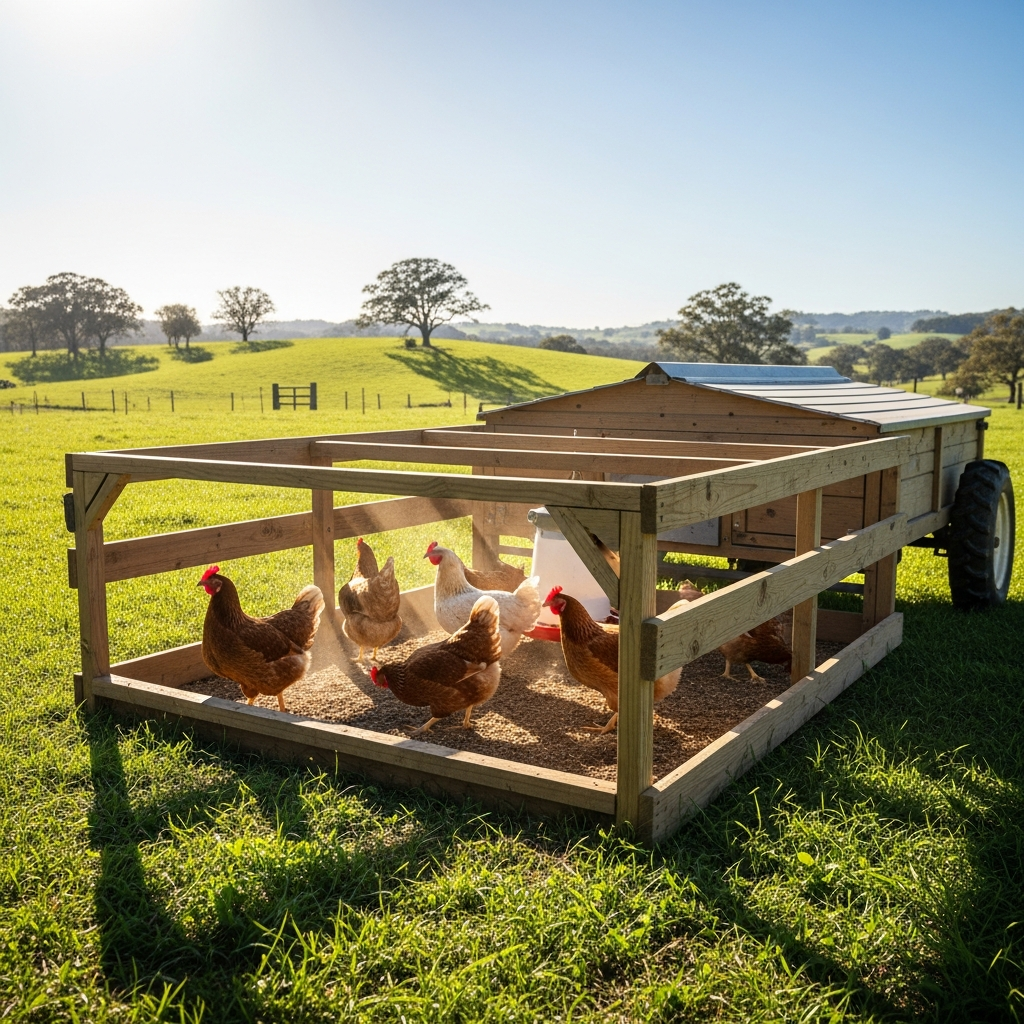
A chicken tractor is a movable chicken coop without a floor that allows chickens to access fresh ground while remaining protected from predators and weather. The name “tractor” comes from how the chickens work the soil as they scratch and peck, similar to how a tractor tills the ground.
Traditional chicken tractors typically feature:
- A lightweight frame that can be moved daily or weekly
- An open bottom allowing chickens direct access to the ground
- Protection from predators with secure wire mesh sides
- Shelter from weather with a solid roof section
- Space for feeding, watering, and sometimes nesting
While chicken tractors offer many benefits, they aren’t the perfect solution for everyone. This is why many chicken keepers look for alternatives that better suit their specific situation.
Why People Search for Chicken Tractor Alternatives
Despite their popularity, traditional chicken tractors have limitations that prompt many chicken keepers to seek alternatives:
These limitations have led to the development of various chicken tractor alternatives that address specific needs while maintaining the core benefits of mobility and fresh ground access.
Types of Chicken Tractor Alternatives
Let’s explore the main categories of alternatives to traditional chicken tractors, each offering unique advantages for different situations.
Mobile Chicken Coop
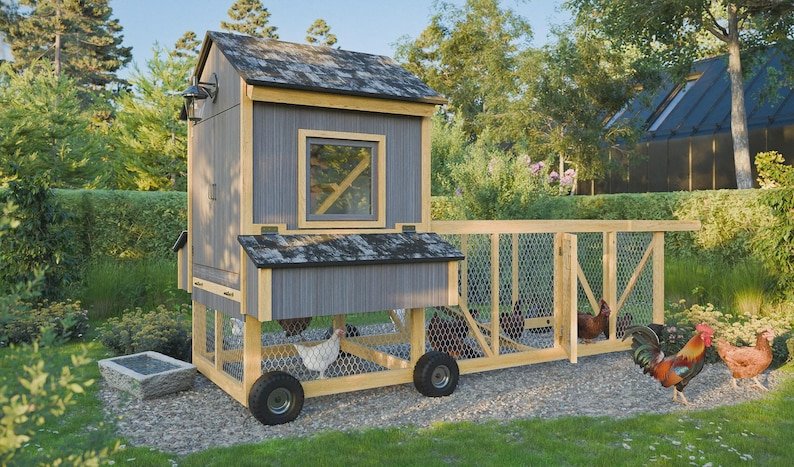
Mobile chicken coops are complete housing units designed to be moved periodically rather than daily. Unlike traditional chicken tractors, they typically include:
- Elevated floor to keep chickens dry and protected
- Built-in nesting boxes for egg collection
- Permanent roosting bars for sleeping
- Attached run area that may be covered or open
- More substantial construction for durability
These coops are ideal for those who want to move their chickens less frequently (weekly or monthly rather than daily) while still providing fresh ground access. They offer better protection in harsh weather and more comfortable living conditions for the birds.
Get Inspired! View this Chicken Coop Plans
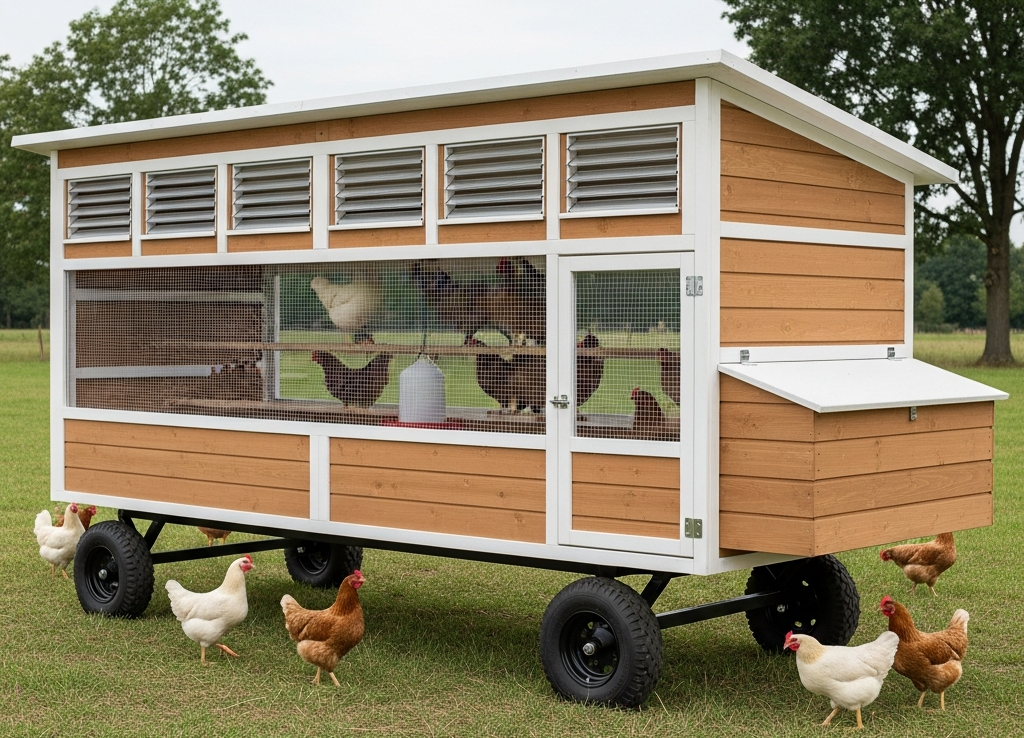
This design is a true chicken mobile—built on six wheels for easy relocation, with sturdy construction to stand up to the elements. The coop features 32 sq. ft. of indoor space with nesting boxes on both sides, plus a 60 sq. ft. aviary for roaming.
Chicken Coop on Wheels
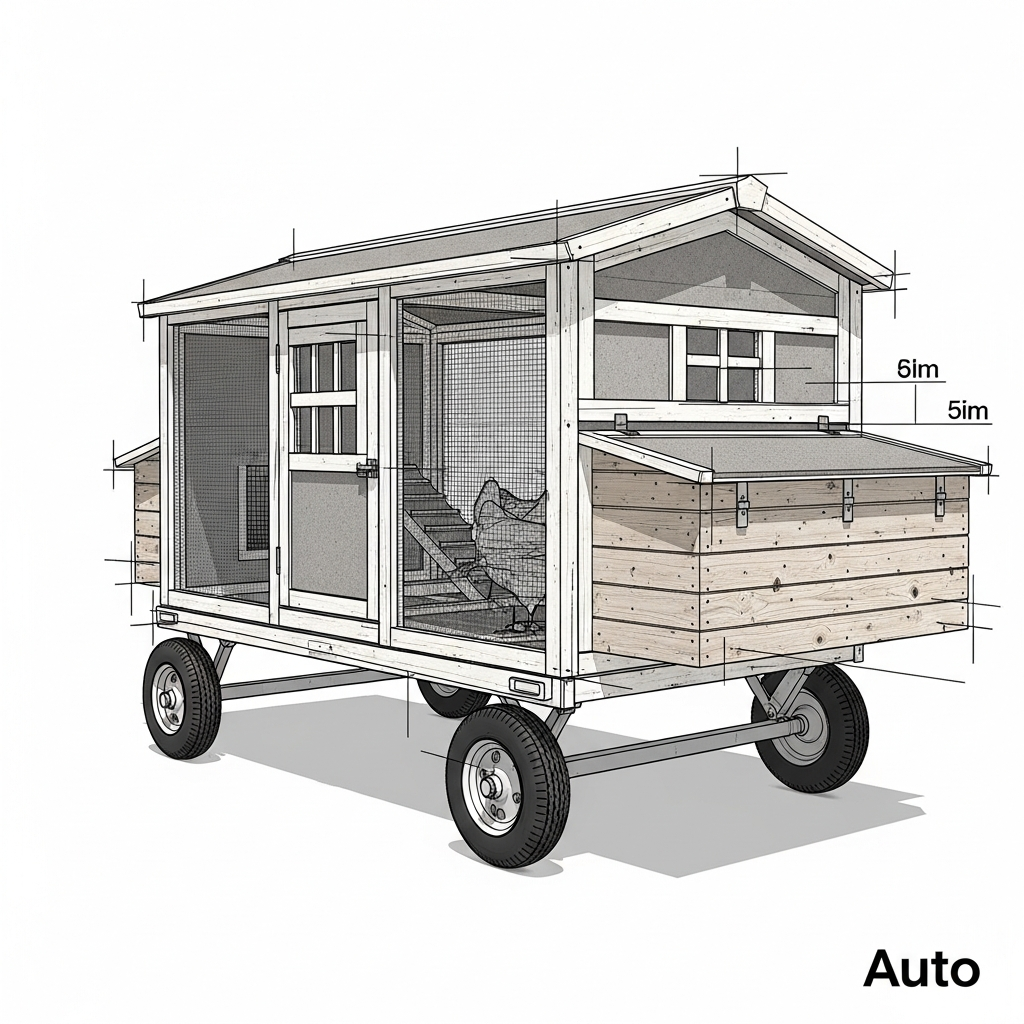
Chicken coops on wheels are specifically designed for frequent, easy movement. These structures feature:
- Large, durable wheels that handle various terrain
- Lightweight but sturdy construction
- Handle or tow bar for easy pulling
- Balanced weight distribution for one-person operation
- Often include a floor, unlike traditional tractors
The key advantage of wheeled coops is the ease of movement without heavy lifting. One person can typically move these coops without assistance, making them perfect for daily rotation even on larger, heavier structures.
Cheap Mobile Chicken Coop

Budget-friendly mobile coops offer the benefits of mobility without the high cost. These options include:
- PVC pipe frames with wire mesh and tarp coverings
- Repurposed materials like old dog kennels or trampolines
- Simple A-frame designs with minimal materials
- DIY options using pallets or reclaimed lumber
- Lightweight construction for easy movement
These economical alternatives are perfect for those just starting with chickens or working with limited funds. While they may not last as long as more expensive options, they provide the essential functions at a fraction of the cost.
Budget-Friendly Tip : Check online marketplace listings for used dog kennels, which can be converted into chicken tractors with just a tarp roof and some zip ties. Many people sell large kennels for a fraction of their original price when their dogs outgrow them.
Movable Chicken Coops
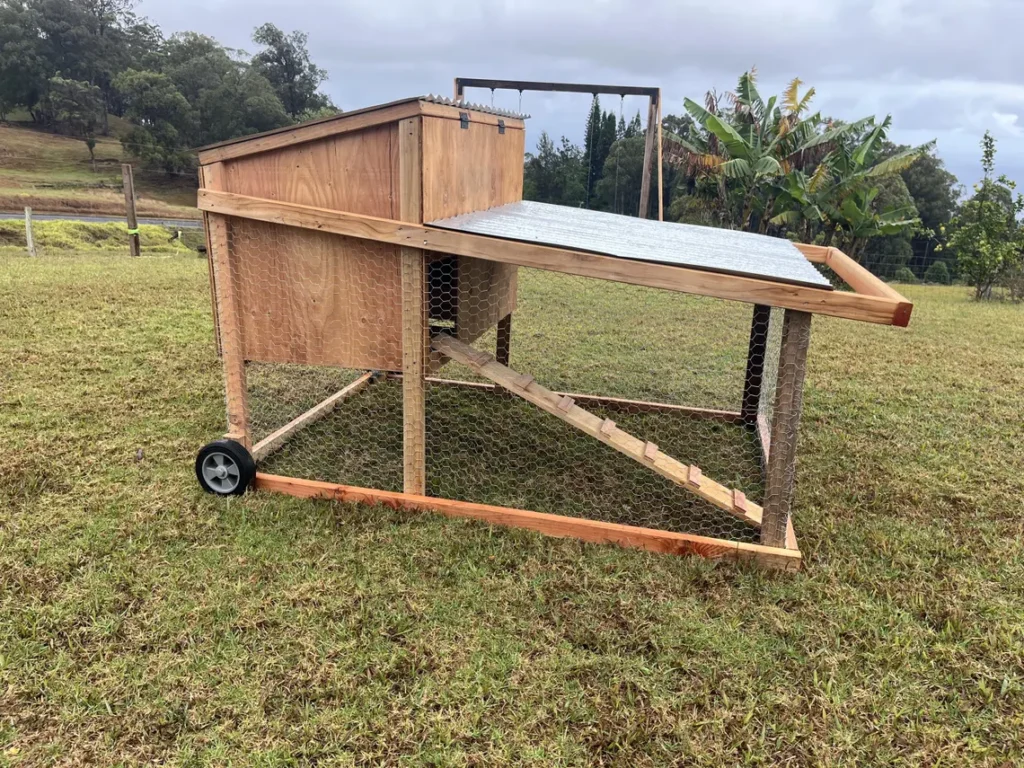
Movable chicken coops offer flexibility in configuration and placement. These systems typically feature:
- Modular components that can be rearranged
- Detachable runs that connect to a main coop
- Skids or runners on the bottom for dragging
- Lightweight materials balanced with durability
- Options to expand or contract based on flock size
The versatility of these systems makes them ideal for changing needs or seasonal adjustments. You can reconfigure them to provide more sun in winter or more shade in summer, or to accommodate a growing or shrinking flock.
Comparison : Tractor vs. Mobile Coop vs. Wheeled Coop
| Feature | Traditional Chicken Tractor | Mobile Chicken Coop | Chicken Coop on Wheels | Cheap Mobile Solutions |
| Price Range | $100-$500 (DIY) $500-$1,500 (Pre-made) | $800-$3,000+ | $600-$2,500 | $50-$300 |
| Durability | Medium (3-5 years) | High (5-10+ years) | Medium-High (4-8 years) | Low (1-3 years) |
| Flock Size | 5-25 chickens | 10-80+ chickens | 5-30 chickens | 3-15 chickens |
| Mobility | Daily moves (2+ people) | Weekly/monthly moves | Easy daily moves (1 person) | Very easy moves (lightweight) |
| Weather Protection | Limited | Excellent | Good | Minimal |
| Predator Protection | Good | Excellent | Good | Fair |
| Nesting Features | Minimal/None | Built-in nesting boxes | Often included | DIY additions |
| Best For | Meat birds, temporary housing | Permanent housing, larger flocks | Regular rotation, one-person operation | Beginners, temporary solutions |
This comparison highlights how each option serves different needs. Your ideal choice depends on your specific priorities, whether that’s budget, durability, flock size, or ease of movement.
Benefits of Movable Chicken Coop Solutions

Healthier Soil and Pasture
Moving your chicken housing regularly creates a powerful synergy between your birds and your land:
- Chicken manure naturally fertilizes the soil with nitrogen and phosphorus
- Scratching action aerates the soil and incorporates the manure
- Regular movement prevents overconcentration of nutrients
- Prevents formation of muddy, bare patches in your yard
- Creates lusher, healthier grass in previously used areas
Many gardeners and homesteaders use mobile chicken systems to prepare garden beds or rejuvenate pastures. The chickens remove weeds, eat pests, and leave behind perfectly fertilized soil ready for planting.
Easy Rotation for Fresh Forage

Mobile chicken housing systems make rotation simple:
- Wheels, handles, and lightweight designs reduce physical strain
- One person can often manage the move without assistance
- Chickens quickly learn the routine and follow the movement
- Regular access to fresh bugs, worms, and plants improves chicken diet
- Reduces feed costs as chickens forage for a portion of their diet
The ease of rotation means you’re more likely to move the coop regularly, which benefits both your chickens and your land. This consistent access to fresh ground also results in healthier birds and better-quality eggs with deeper-colored yolks.
Enhanced Predator Protection
Mobile coops can offer superior protection compared to free-ranging:
- Secure wire mesh prevents access from most predators
- Regular movement disrupts predator patterns and hunting routines
- Elevated designs protect from digging predators
- Solid construction deters larger predators like dogs or coyotes
- Lockable doors and predator-proof latches for nighttime security
By combining mobility with security features, these systems give chickens the benefits of ranging on fresh ground without the high losses often associated with free-ranging.
Cleaner Coop, Less Maintenance
Mobile systems dramatically reduce cleaning requirements:
- No deep litter to manage or remove
- Manure drops directly onto the ground rather than accumulating
- Fresh ground prevents buildup of pathogens
- Reduced ammonia buildup means healthier respiratory systems for birds
- Less time spent on coop cleaning means more time for other activities
This reduced maintenance is one of the biggest advantages of mobile systems. Many chicken keepers report spending just minutes per week on coop maintenance compared to hours with stationary coops.
Which Option Is Best for You?
Finding the right chicken tractor alternative depends on your specific situation. Consider these key factors when making your decision:
For Small Backyards

If you have limited space, consider these options:
- A-frame designs with a small footprint (4×6 or smaller)
- Vertical designs that maximize space by building upward
- Modular systems that can be reconfigured as needed
- Lightweight PVC designs that can be easily stored when not in use
- Combination garden bed/chicken tractor designs
For urban settings, also consider noise reduction features and aesthetically pleasing designs that neighbors won’t object to.
Recommended for Small Spaces :
The Mini 3×4 Chicken Coop comfortably houses 5 chickens in a compact footprint perfect for urban backyards. Its lightweight design makes it easy to move while still providing essential protection and comfort for your small flock.
Working with Budget Constraints
Cost-effective solutions that don’t sacrifice function:
- PVC pipe frames with tarp covers (under $100 in materials)
- Repurposed materials like pallets, old dog kennels, or trampolines
- Simple wooden A-frames with minimal materials
- DIY conversion kits to add wheels to existing structures
- Community tool sharing for building more complex designs
Remember that investing in quality materials for critical components (like predator-proof wire) while economizing on less crucial elements can create a safe, functional coop on a tight budget.
Housing a Large Flock
For larger flocks, consider these robust options:
- Hoop-style coops with cattle panel frames (can house 50+ birds)
- Trailer-mounted coops that can be moved with a vehicle
- Multiple smaller tractors used in rotation
- Salatin-style pens for meat bird production
- Automated systems with solar-powered doors and feeders
Larger systems require more planning for water, feed storage, and egg collection. Consider these logistics when designing or purchasing a system for a large flock.
Homestead vs. Urban Environment
Different environments call for different approaches :
Your environment should heavily influence your choice of mobile housing. What works perfectly on a rural homestead may be completely impractical in an urban backyard, and vice versa.
Finding Your Perfect Chicken Tractor Alternative
The world of mobile chicken housing offers solutions for every situation, from urban backyards to sprawling homesteads. By considering your specific needs—space, budget, flock size, and environment—you can find or build the perfect chicken tractor alternative that makes chicken keeping easier and more enjoyable.
Whether you choose a simple PVC structure, a wheeled coop, or a sophisticated mobile housing system, the benefits remain the same: healthier chickens, better land management, reduced maintenance, and a more sustainable approach to raising poultry.
Remember that the best system is one that you’ll actually use consistently. Choose an option that matches your physical abilities, time constraints, and chicken keeping goals for the best long-term results.
Helpful Resources :
- For more Chicken Coop Plans, visit our Category page.
- For general information on chicken tractors and movable coops, you can visit Wikipedia’s Chicken Tractor page.
Frequently Asked Questions
How often should I move my mobile chicken coop?
For traditional chicken tractors without floors, daily movement is ideal to prevent damage to the grass and soil. For larger mobile coops with floors, moving weekly or bi-weekly is usually sufficient. Watch the condition of the ground—when it starts to look bare or heavily scratched, it’s time to move.
Do chickens need roosting bars in a mobile coop?
Yes, for laying hens and most chicken breeds. Roosting is a natural behavior that helps chickens feel secure at night. However, meat birds like Cornish Cross often don’t roost due to their heavy weight and can sleep comfortably on the ground or floor of the coop.
What’s the best material for a DIY mobile coop?
For durability and moderate weight, pressure-treated lumber or cedar are excellent choices for the frame. PVC pipe offers a lightweight alternative but with less durability. For predator protection, use hardware cloth rather than chicken wire, especially for the lower portions of the coop.
Are you Ready to Build or Buy Your Mobile Chicken Coop?
