Buy Chicken Tractor: Find Quality Chicken Tractors for Sale + Complete Buyer’s Guide 2026
You’ve decided you want a chicken tractor for your backyard flock. Maybe you’re tired of watching your stationary coop destroy that one patch of lawn, or you’ve read about the health benefits pasture-raised chickens enjoy. Perhaps you’ve seen the gorgeous orange yolks that come from chickens with access to fresh grass and bugs daily. Whatever brought you here, you’re ready to buy a chicken tractor – but where do you even start?
The options seem overwhelming when you start looking at chicken tractors for sale. Prices range wildly from a few hundred dollars to several thousand. Some look flimsy, others seem overbuilt. Quality varies dramatically between sellers. Features you didn’t know existed suddenly seem essential. And underneath it all, there’s that nagging question: are you getting good value, or just paying for convenience?
Before you buy a chicken tractor, there are some things you need to know – information that could save you hundreds of dollars and lead to a better outcome for both you and your chickens.
Before we dive into specific chicken tractors for sale and pricing, let’s talk about what actually matters. Understanding these features helps you evaluate options and avoid paying for things you don’t need while ensuring you get what you do.
Size and Capacity :
This is fundamental. Chicken tractors are rated by how many birds they can house, but manufacturers are often optimistic with their numbers. A tractor advertised for “8-10 chickens” might be cramped with 8 and uncomfortable with 10.
The rule of thumb is 3-4 square feet per bird inside the sleeping area, plus 8-10 square feet per bird in the run area. For a flock of 6 chickens, you’re looking at roughly 18-24 square feet of coop space and 48-60 square feet of run space minimum. Many chicken tractors for sale cut these numbers short to keep costs and shipping weight down.
Construction Quality :
This is where you see the biggest differences between cheap and expensive options. Quality construction means:
Sturdy lumber that won’t warp or split after one season. Cheaper tractors use thin, low-grade wood that deteriorates quickly. Better options use pressure-treated lumber or naturally rot-resistant wood like cedar.
Proper wire mesh protection – which brings us to something critically important that deserves its own section.
Weather-resistant roofing that actually keeps rain out. Cheap tractors sometimes leak within months. Look for metal roofing or quality shingles, not just tarp or thin plastic.
Solid joinery and hardware. Screws and bolts, not just staples. Properly braced corners. Reinforced stress points. The difference between a tractor that lasts two years and one that lasts ten often comes down to construction details.
Mobility Features :
The whole point of a chicken tractor is moving it regularly, so mobility matters tremendously. What to look for:
Wheels that actually work. Some tractors have tiny wheels that sink into soft ground or break under weight. Quality pneumatic (air-filled) wheels, sized appropriately for the tractor’s weight, make a huge difference. Eight to twelve inch wheels are typical for moderate-sized tractors.
Appropriate weight for your situation. Can you move it alone, or will you need help? A 150-pound tractor might seem manageable until you’re trying to move it across a slope by yourself. Consider who will actually be moving this thing and how often.
Handles or tow bars positioned for comfortable movement. Poor handle placement turns moving the tractor from a simple task into an awkward struggle.
Ventilation and Access :
Good ventilation prevents moisture buildup and ammonia from accumulating, which can cause respiratory problems in chickens. Look for vents that can be opened or closed based on weather, positioned to create airflow without creating drafts directly on roosting chickens.
Access doors matter more than you’d think. You need easy access for collecting eggs daily, cleaning, catching chickens when necessary, adding food and water, and general inspection. Tractors with only small doors or awkwardly positioned openings become frustrating quickly.
Weather Protection :
Your chicken tractor needs to protect against both heat and cold, wet and dry. Solid walls or panels for the sleeping area (not just wire), proper roofing that overhangs enough to keep rain from blowing in, and some shade options for hot summer days all matter for chicken comfort and health.
Understanding Wire Mesh: Hardware Cloth vs Chicken Wire
Here’s something crucial that many people don’t realize when they buy chicken tractor – the type of wire mesh used makes the difference between a safe tractor and a predator invitation. This single detail separates quality chicken tractors for sale from dangerous cheap ones.
The Chicken Wire Problem
Walk into any farm store and you’ll see rolls of chicken wire – that hexagonal wire mesh with large openings. It’s everywhere, it’s cheap, and it’s called “chicken wire,” so it must be good for chickens, right?
Wrong. Chicken wire keeps chickens contained, but it won’t keep predators out. The wire is thin and bends easily. Raccoons can tear through it with their hands. Weasels slip through the openings. Even determined rats can chew through thin chicken wire over time. Many cheap chicken tractors for sale use chicken wire specifically because it costs less – but that savings puts your flock at serious risk.
Chicken wire has its uses – temporary fencing in safe areas, keeping chickens out of gardens during the day while you’re watching – but it should never be the primary protection on a chicken tractor where birds sleep at night.
Why Hardware Cloth for Chicken Coop Matters
Hardware cloth (also called welded wire mesh) is completely different. It’s made from thicker wire welded into a rigid grid with small openings – typically 1/2 inch or 1/4 inch squares. This creates a barrier that predators simply cannot penetrate.
The rigid construction means raccoons can’t tear it. The small openings prevent weasels, minks, and snakes from entering. Even the wire itself is thick enough that chewing through it is virtually impossible. Hardware cloth for chicken coop construction costs more than chicken wire – usually 3-4 times as much – but it’s the difference between chickens that live and chickens that become midnight snacks.
Quality chicken tractors use hardware cloth or heavy-gauge welded wire with openings no larger than 1 inch. The sides, top, and any vulnerable areas all get this proper protection.
What to Check When Buying
When you’re evaluating chicken tractors for sale, always ask what type of wire is used. If the seller says “chicken wire” or doesn’t specify, that’s a red flag. Quality sellers will proudly advertise “1/2 inch hardware cloth” or “welded wire mesh” because they know it’s a major selling point.
Look at the actual wire if you can see the tractor in person. Hardware cloth has that distinctive small square pattern and feels rigid when you push on it. Chicken wire has larger hexagonal openings and flexes easily when you touch it.
Some tractors use a combination – hardware cloth on the bottom and sides where predators attack, cheaper wire on top. This is acceptable if the top wire is still strong gauge and properly secured, since aerial predators are less of a threat than ground predators for most chicken tractors.
The Cost Reality
Here’s what most people don’t realize: the wire mesh is one of the most expensive materials in a chicken tractor. A quality tractor using proper hardware cloth for chicken coop protection has significantly higher material costs than one using chicken wire. When you see a chicken tractor for sale at an unusually low price, the wire quality is often where they cut corners.
The $300 tractor with chicken wire will cost you chickens over time. The $800 tractor with proper hardware cloth protects your investment in your flock. When you factor in the cost of replacing lost chickens – not to mention the emotional toll – the hardware cloth pays for itself.
Understanding Chicken Tractor Prices
Here’s the reality about pricing when you want to buy a chicken tractor – and this is where things get interesting.
Budget Options ($300-$600)
Small tractors in this price range typically house 2-4 chickens. They’re often made with economy lumber, chicken wire instead of proper hardware cloth (as we just discussed), and minimal features. Wheels might be small plastic ones. Construction is basic.
These can work as starter setups or for very small flocks, but expect durability issues. The wire mesh is usually the first thing that fails – either from predators or just weathering. Many buyers in this range end up replacing or heavily modifying their tractor within a year or two. The initial savings often disappear in repairs, modifications, or eventual replacement.
Mid-Range Options ($600-$1,500)
This is where you start seeing better construction quality when you buy a chicken tractor. Tractors for 6-10 chickens with decent lumber, proper hardware cloth for chicken coop protection, reasonable wheels, and basic weatherproofing. Many home chicken keepers end up in this range when looking at chicken tractors for sale.
Quality varies significantly within this price range. Some are genuinely well-built tractors that’ll last years with proper care. Others are basically budget tractors with a higher price tag and marketing. Research specific models carefully – price alone doesn’t guarantee quality. Check reviews, especially comments about durability after 6-12 months of use.
Premium Options ($1,500-$4,000+)
Large tractors for bigger flocks (12-30+ chickens), or smaller tractors built with premium materials and features. Cedar construction, heavy-duty hardware cloth, excellent mobility systems, superior weatherproofing, multiple access doors, automated features like solar-powered doors or lights.
These are genuinely high-quality builds. The question becomes whether you need all those features and whether the premium is worth it for your situation. For many backyard chicken keepers with 6-10 birds, the premium features don’t add enough value to justify the cost difference.
What You’re Really Paying For
When you buy a chicken tractor, your money goes toward materials (lumber, wire, roofing, hardware), labor (someone built it), business overhead (warehouse, insurance, employees), marketing and advertising, profit margins, and shipping costs (often $100-$300 for large tractors).
That $1,200 tractor might contain $250-$350 in materials. You’re paying $850-$950 for convenience, labor, and business costs. Understanding this math changes how you think about the value proposition – which we’ll explore more in a moment.
Where to Find Chicken Tractors for Sale
Let’s look at what’s actually available when you decide to buy a chicken tractor and where you can find quality options.
Online Retailers and Big Box Stores
Major retailers like Tractor Supply, Amazon, Wayfair, Ebay , and others sell chicken tractors. Prices typically range from $400-$2,000. Selection is decent, shipping is established, and returns are usually possible if there are issues.
The catch is quality can be hit-or-miss. Many are manufactured overseas with cost as the primary consideration. Assembly is often required despite paying full price. Customer reviews reveal common issues: weak construction, parts not fitting properly, hardware cloth being thinner than advertised, wheels that break quickly.
Shipping large chicken tractors for sale is expensive and complicated. Damage during shipping is common. Factor in potential return shipping costs if it arrives damaged or doesn’t meet expectations.
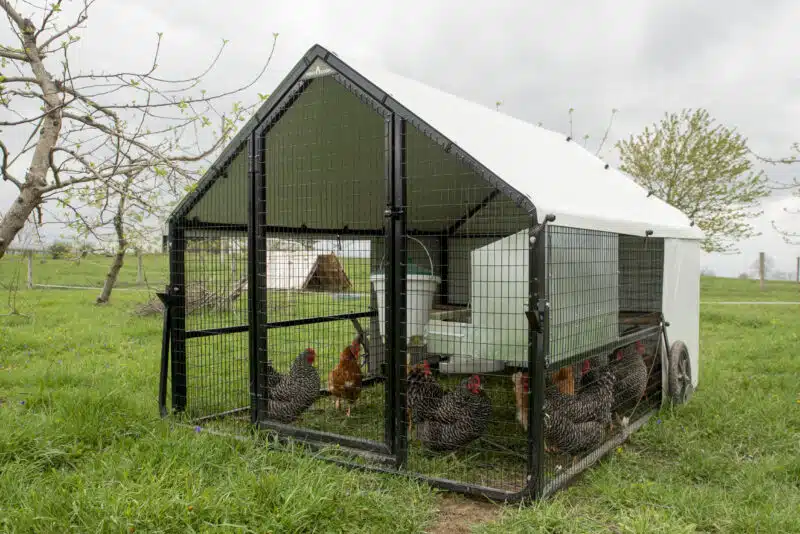
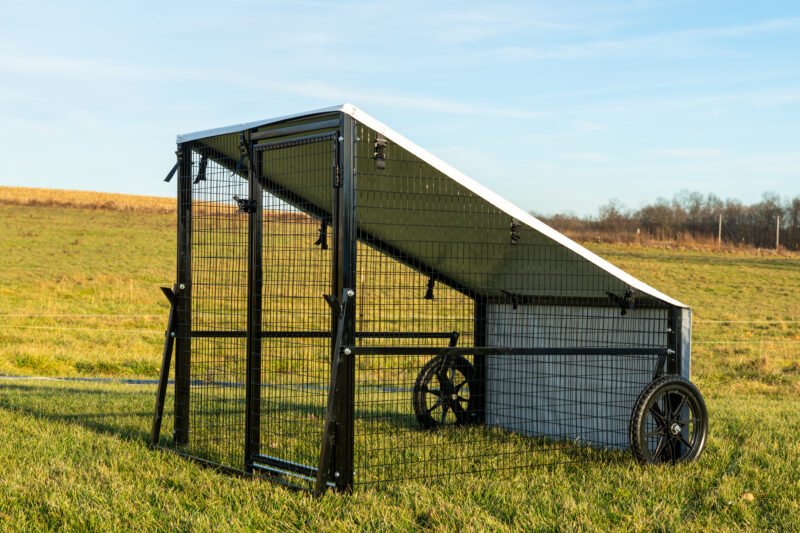
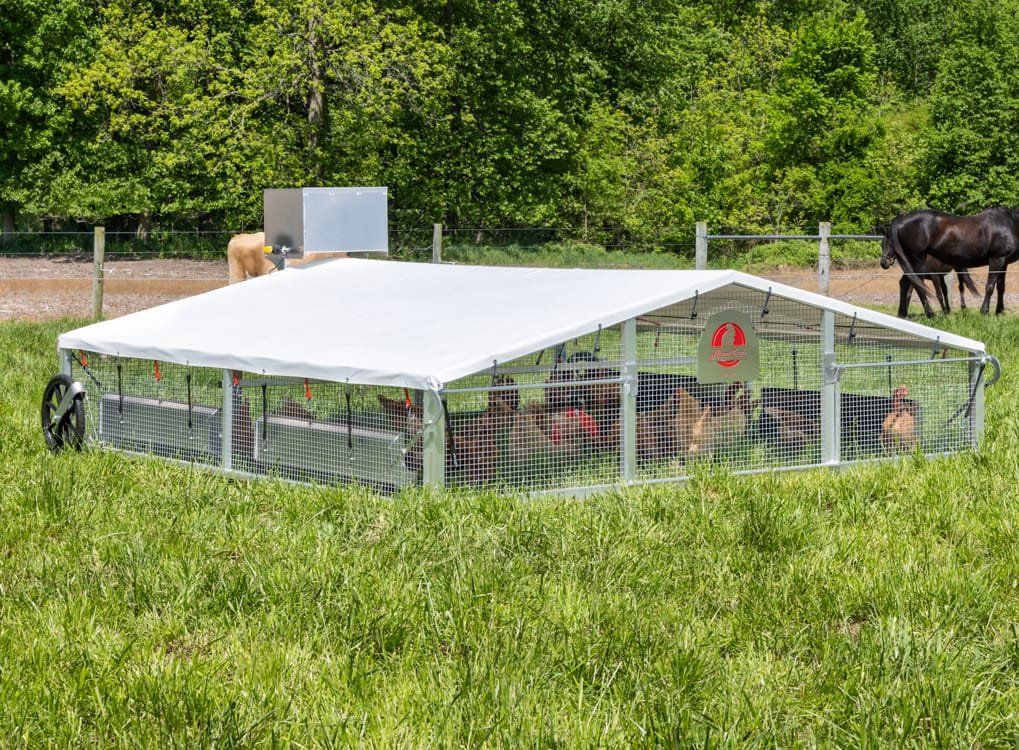
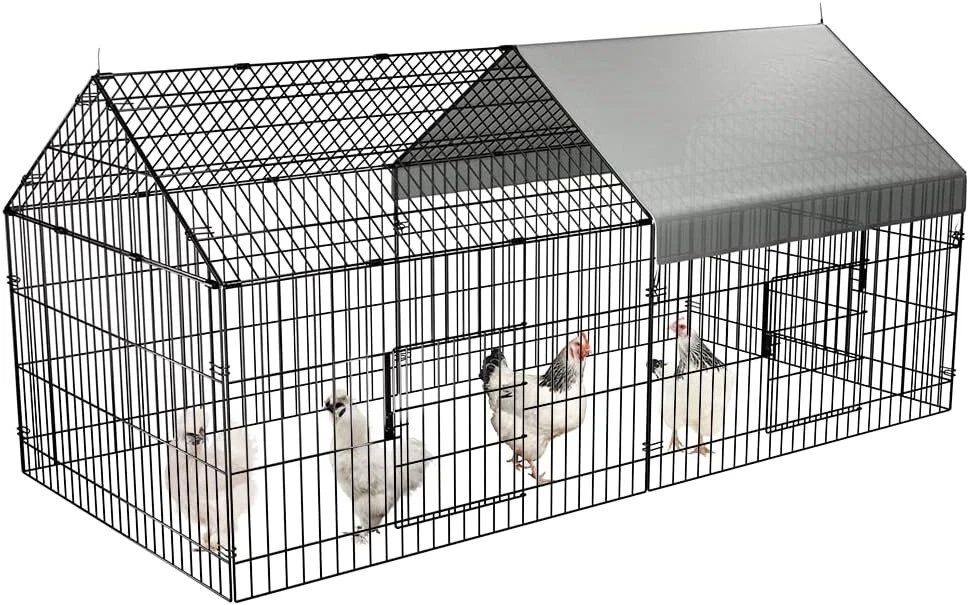
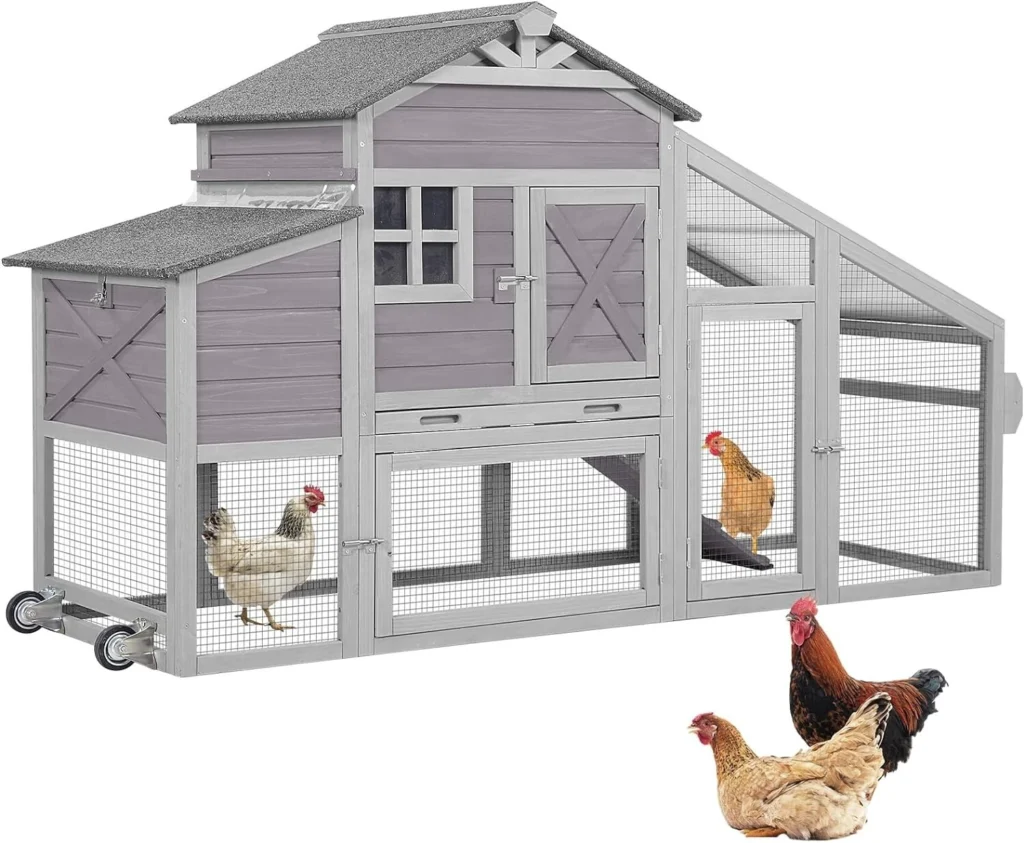
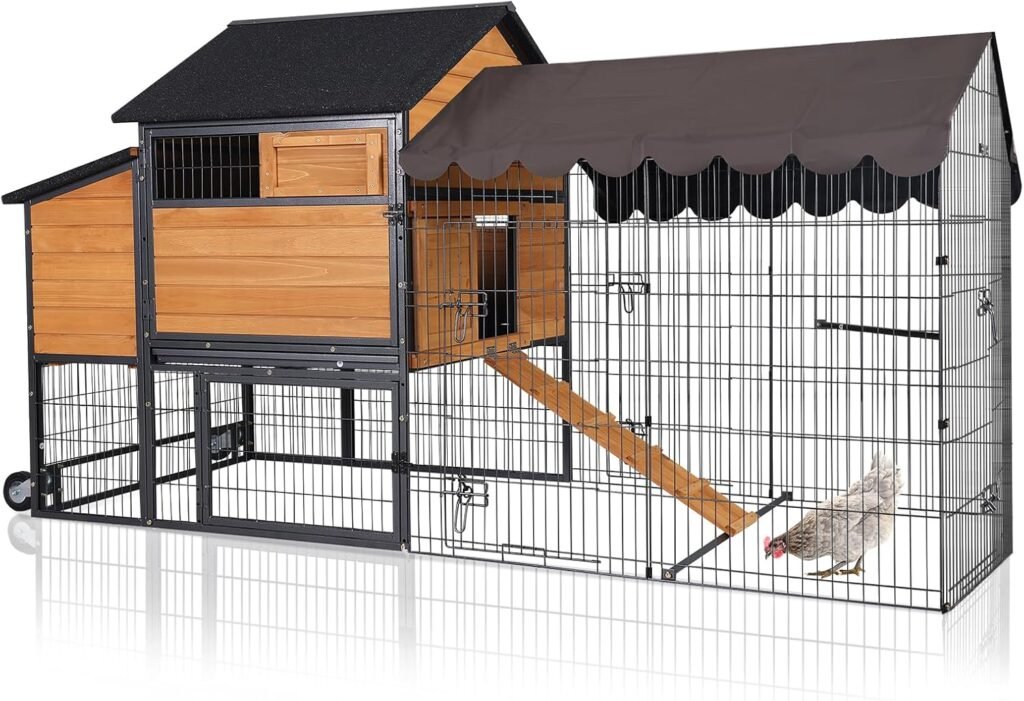
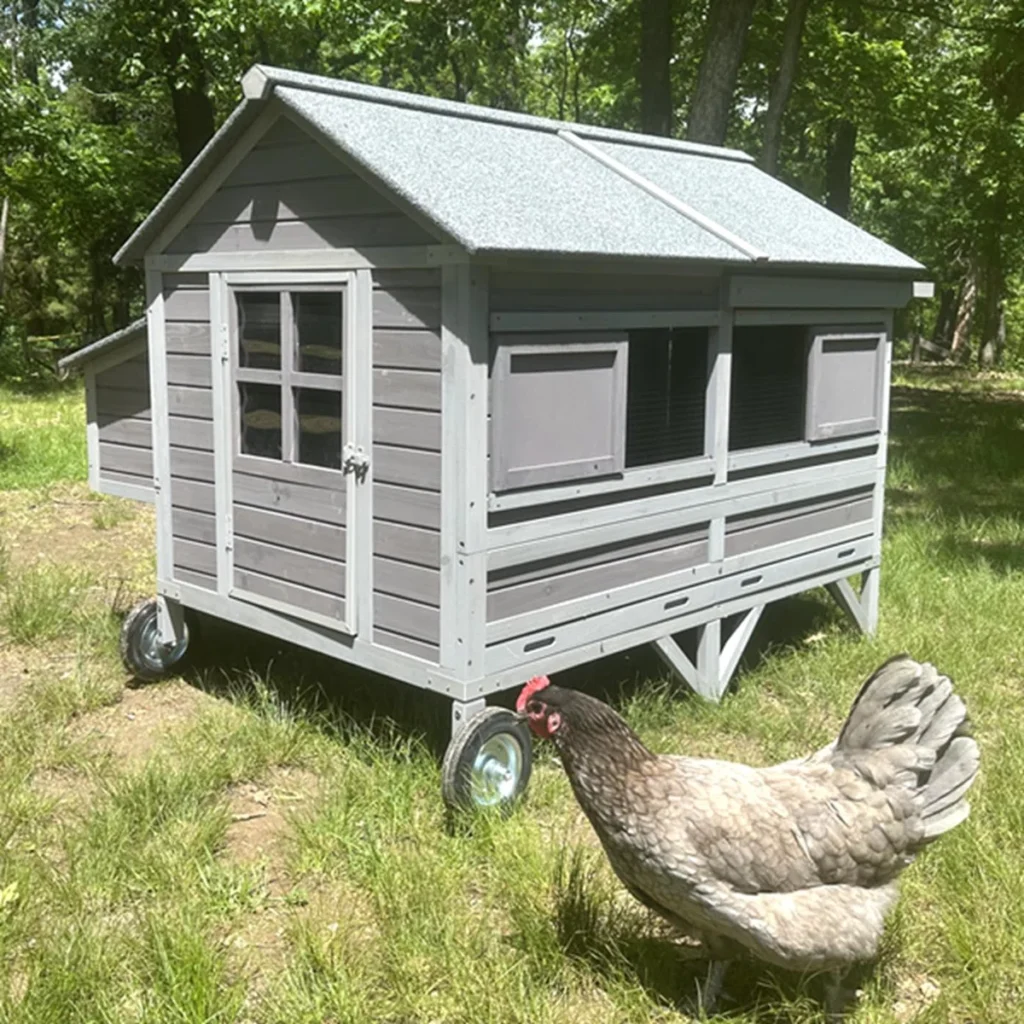
This is different chicken tractors showing quality differences :
Local Farm Suppliers and Feed Stores
Local suppliers sometimes stock chicken tractors or can order them. Prices are often slightly higher than online, but you can see and touch before you buy. No shipping costs. Supporting local business has its own value.
Selection is usually more limited than online. Quality varies by what brands they carry. Building relationships with local suppliers can be valuable for ongoing chicken-keeping needs beyond just the initial tractor purchase.
Small Manufacturers and Craftspeople
Some small businesses specialize in building quality chicken tractors. These are often genuinely well-made with attention to detail you don’t get from mass production. They understand why hardware cloth for chicken coop construction matters. Custom sizing and features are sometimes available.
Prices reflect the quality and individual attention – expect $1,000-$3,000+ depending on size and features. Lead times can be several weeks or months. Finding reliable local craftspeople requires research and recommendations from other chicken keepers.
Direct from Farms
Occasionally you’ll find farmers or homesteaders selling tractors they built for themselves but no longer need, or who build and sell extras. These can be excellent deals or problematic, depending entirely on the builder’s skills and honesty.
Inspect carefully before you buy a chicken tractor from individual sellers. Look for the quality markers we discussed earlier: proper hardware cloth (not chicken wire), solid construction, functional wheels, weather-tight sleeping area. Ask about what materials were used specifically.
You can check most of these products, Prices and customer reviews – they reveal important patterns about quality issues :
Budget chicken tractors ($180-$400) consistently have these issues:
– Chicken wire instead of hardware cloth (predators get in) – Actual size smaller than advertised – Cheap lumber that warps/rots quickly – Wheels break within months
Quality tractors with proper hardware cloth, adequate size, and durable construction? They start at $800-$1,200 minimum. That’s just the reality of good materials and proper construction.
you can check Feedback of this products !!
Why Many Buyers Choose to Build Instead
Here’s where this conversation takes an interesting turn. Many people start out looking to buy a chicken tractor, research options and prices, and end up building their own instead. Let’s talk about why.
The Cost Reality
Remember that $1,200 chicken tractor for sale with $250-$350 in materials? You can build that same tractor yourself for those material costs. That’s $850-$950 you’re keeping in your pocket – or spending on higher-quality materials than the manufacturer used.
A well-built DIY chicken tractor typically costs $200-$500 in materials, depending on size and quality choices. That’s often less than half the price of buying comparable quality pre-built. And you control exactly what materials go into it – including using proper hardware cloth for chicken coop protection throughout.
Complete Customization
When you build, you get exactly what works for your situation. Sized precisely for your flock and available space. Wheels positioned where they work best for your terrain. Doors where YOU need them for your workflow. Features that matter to you, nothing paying for features you don’t need. Built for your strength and mobility situation (one person vs. two people). Design that fits your property’s specific challenges.
Pre-built chicken tractors for sale are one-size-fits-most. Your situation is unique, and a custom-built tractor reflects that perfectly.
Quality Control
When you build it yourself, you know exactly what went into it. You choose the lumber quality. You decide to use hardware cloth instead of chicken wire. You select wheel quality and hardware grades. You control the weatherproofing details.
Many people who build their own tractors end up with significantly higher quality than they could afford to buy, simply because they’re not paying markup on materials or labor. They can invest in better hardware cloth, superior lumber, and premium hardware because they’re saving so much on labor costs.
The Building Experience
There’s genuine satisfaction in using something you built with your own hands. You understand exactly how it’s constructed, which makes repairs and modifications simple. Problems are easy to fix because you know how everything fits together.
Building with Family – More Than Just a Project
One of the most valuable aspects of building your own chicken tractor instead of buying one is doing it together with your family. Kids absolutely love being part of projects like this. They get excited about measuring lumber, hammering nails under supervision, helping paint or stain, picking colors for the roof.
For chicken-loving families, building a tractor together creates memories that last decades. Your kids will remember “that weekend we built the chicken tractor” long after they’ve forgotten most other weekends. They learn practical skills – how to measure and cut, basic tool use, problem-solving when things don’t fit quite right, why we use hardware cloth instead of chicken wire. But more importantly, they learn that you can create useful things with your own hands rather than always buying them.
There’s something special about walking out to collect eggs from a structure you built together. Kids take pride in showing friends “we built this.” That sense of accomplishment and capability stays with them. For young chicken enthusiasts especially, being part of building their flock’s home deepens their connection to the chickens and responsibility for their care.
Even young children can help in age-appropriate ways – handing you tools, holding boards steady, helping with sanding or painting. Older kids can take on more responsibility with proper supervision. It’s quality family time doing something productive together, creating something that benefits everyone.
Those are the kinds of experiences kids carry into adulthood. Years later, they’ll still talk about building that chicken tractor, and they’ll have the skills and confidence to tackle their own projects.
Cost Comparison: Buy vs Build
Let’s put actual numbers to this to make it concrete when deciding whether to buy a chicken tractor or build one.
Pre-Built Chicken Tractor (6-8 birds)
Typical costs:
Tractor purchase: $800-$1,400
Shipping: $100-$200
Assembly time (yes, most require assembly): 2-4 hours
Potential modifications (common): $50-$150
Total: $950-$1,750
DIY Chicken Tractor (6-8 birds)
Typical costs:
Lumber and materials: $200-$350
Hardware cloth (proper protection): $60-$100
Wheels (if using): $40-$80
Roofing: $40-$80
Hardware and miscellaneous: $30-$50
Total: $370-$660
Savings by building: $580-$1,090
That’s substantial money that could go toward chickens, quality hardware cloth for your chicken coop, feed, other farm improvements, or just stay in your pocket.
Time Investment
Building a basic chicken tractor typically takes:
Planning and design: 1-2 hours
Shopping for materials: 1-2 hours
Actual construction: 8-16 hours depending on complexity
Total time: one long weekend, or two moderate weekends.
Assembling a pre-built tractor: 2-4 hours, often spent figuring out confusing instructions with parts that don’t quite fit right, possibly discovering the chicken wire isn’t adequate and needs upgrading.
The time difference is real, but not as dramatic as you might expect. And the building time includes learning valuable skills and potentially creating family memories.
Making Your Decision: Buy or Build?
So how do you decide whether to buy a chicken tractor or build your own? Here are some honest considerations.
You Should Probably Buy If :
You have zero interest in building anything, ever. Some people just aren’t into DIY projects, and that’s completely fine. The convenience of having a tractor delivered is worth the premium for you.
You have physical limitations that make building difficult or impossible.
You need a chicken tractor immediately – like, this week – and can’t wait for a build project.
You’ve found a quality chicken tractor for sale at a reasonable price from a reputable seller and you’re happy with the exact specifications, including proper hardware cloth protection.
Money genuinely isn’t a concern for you, and you value convenience over savings.
You Should Consider Building If :
You want to save $500-$1,000 while getting equal or better quality.
You want a tractor sized exactly for your specific flock and property.
You have basic tool skills, or you’re willing to learn (it’s not complicated).
You can dedicate a weekend to the project.
You want to control the exact quality of materials and construction – ensuring proper hardware cloth for chicken coop safety throughout.
You like the idea of using something you built yourself.
You want to involve family in a meaningful project.
The idea of building appeals to you, even a little bit.
The Middle Path
Some people find detailed chicken tractor plans online and use those to build. This gives you guidance and confidence without the expense of pre-built chicken tractors for sale. Plans typically cost much less than buying pre-built, though the detail level varies.
Others start with a pre-built small tractor to get chickens established, then build a larger, better one once they understand exactly what they want. You’re not locked into one approach forever.
Building Resources
If you’ve decided building makes sense for your situation, having clear guidance makes the difference between a smooth project and a frustrating struggle.
Many chicken keepers have successfully built tractors using detailed chicken tractor plans that walk through every step. These plans eliminate the intimidation factor – you’re not figuring anything out, just following clear instructions with pictures.
Good plans include complete materials lists (so you buy exactly what you need, including the right amount of hardware cloth), cutting diagrams (so every piece is right the first time), assembly instructions with photos, and troubleshooting tips for common issues.
Get Inspired! View chicken tractor plans
If you’d like to see what comprehensive building plans include, we offer detailed chicken tractor plans designed specifically to make building straightforward even for beginners. Whether you use professional plans, find resources online, or design your own, having a clear roadmap before you start makes all the difference.
How much should I expect to spend to buy a chicken tractor?
For a quality pre-built tractor housing 6-8 chickens, expect $800-$1,500 including shipping. Smaller tractors (2-4 chickens) run $400-$800. Larger tractors (10-15 chickens) cost $1,500-$3,000+. Building yourself typically costs $200-$500 in materials for similar quality, often better since you control material selection and can ensure proper hardware cloth throughout.
What’s the difference between cheap and expensive chicken tractors for sale?
Mainly construction quality and durability. Cheap tractors use thin lumber, chicken wire instead of hardware cloth, small wheels that break easily, and minimal weatherproofing. Expensive tractors use quality lumber or cedar, proper hardware cloth for chicken coop protection, substantial wheels, weather-tight construction, and attention to detail. The expensive tractor lasts 10+ years; the cheap one might last 2-3 years before needing major repairs or replacement.
Do pre-built chicken tractors require assembly?
Most do, yes. Very few arrive completely assembled due to shipping constraints. Assembly typically takes 2-4 hours and often involves confusing instructions. Some arrive with missing or incorrect parts. Factor in assembly time and frustration when comparing to building from scratch, where you’re assembling anyway but with better materials and exact fit.
Can I buy a chicken tractor locally?
Sometimes. Farm supply stores, feed stores, and local craftspeople may have options. Selection is more limited than online, prices are often slightly higher, but you avoid shipping costs and can inspect before buying – particularly checking whether they use chicken wire or proper hardware cloth. Check Craigslist, Facebook Marketplace, and local farming groups for used tractors or local builders.
How do I know if a chicken tractor is good quality?
Look for: (1) Hardware cloth (1/2 inch or smaller), not chicken wire; (2) Sturdy lumber (2x4s minimum for frame); (3) Pneumatic wheels 8+ inches if mobile; (4) Solid roof that overhangs properly; (5) Multiple access doors; (6) Good ventilation; (7) Solid construction with screws/bolts, not just staples. Read reviews carefully, especially about durability after 6-12 months of use and any predator incidents.
Is buying a used chicken tractor a good idea?
Can be, if you inspect carefully. Check for: rot in the wood (especially where it contacts ground), rust on hardware, predator damage to wire mesh (and verify it’s hardware cloth, not chicken wire), wheel condition, overall structural soundness. Used tractors often sell for 50-70% of new price. Make sure it’s actually a good deal compared to building new, and that the wire mesh provides adequate protection.
What size chicken tractor should I buy for my flock?
Calculate based on 3-4 square feet per bird in the sleeping area, plus 8-10 square feet per bird in the run area. For 6 chickens: minimum 18-24 sq ft sleeping area and 48-60 sq ft run. Don’t trust manufacturer bird counts – they’re often optimistic. Go bigger if you can manage moving the size.
Should I buy a chicken tractor with chicken wire or hardware cloth?
Always hardware cloth. Chicken wire will not protect your flock from predators – raccoons tear through it, weasels slip through the openings, and even rats can chew through thin chicken wire. Hardware cloth for chicken coop construction with 1/2 inch or 1/4 inch openings is essential for real protection. If a seller is using chicken wire, that’s a major red flag about overall quality.
Do I need a chicken tractor if I have a regular coop?
Not necessarily. Chicken tractors work best as all-in-one mobile housing and run systems. If you have a stationary coop, consider adding a mobile chicken run instead – gives similar fresh pasture benefits without replacing your existing setup. Check our [mobile chicken run guide] for that approach.
Ready to Make Your Decision?
Whether you choose to buy a chicken tractor or build your own, your chickens will benefit from the fresh pasture access and improved living conditions. Those rich orange yolks, healthier birds, and better lawn quality make it worthwhile either way.
If you’re leaning toward building – even if you’ve never built anything before – it’s more achievable than you probably think. Most chicken keepers who build their first tractor are surprised by how straightforward it actually is with good plans and basic tools. The money saved (often $500-$1,000+) is substantial. The customization is valuable. The quality control matters – especially ensuring proper hardware cloth for chicken coop safety. And yes, the satisfaction of using something you built yourself is genuinely rewarding.
For those ready to build, we offer comprehensive chicken tractor plans that include everything you need – materials lists, cutting diagrams, step-by-step instructions with photos, multiple size options, and building tips specific to chicken tractors. Many beginners have built successfully using detailed plans that eliminate guesswork.
Or if buying makes more sense for your situation, that’s perfectly valid too. Use the quality markers we discussed – especially that hardware cloth requirement – to evaluate options, don’t rush the decision, and get something that’ll serve your flock well for years.
Either way, your chickens are going to love their fresh pasture access. Enjoy those incredible eggs! 🐔
Note : Share Your Experience With Us
Considering a coop project ? Tell us what questions you have or what’s holding you back. We’re here to help guide you through the process.
As professional coop builders, we’re always learning and improving. We’re human, and humans make mistakes—but that’s how we grow. Your real-world insights and feedback help us create better resources and designs for everyone in the chicken-keeping community.
Got tips, photos, or lessons learned from your own coop build? We want to see them! Share your story and help fellow chicken enthusiasts on their journey.
Drop us a comment below or reach out directly. Let’s build something great together!