
do it yourself Coop Chicken Coop Plans
Making an chicken coop at home is an enjoyable task for backyard lovers. It’s not just an environment that is safe for your chickens, but it also creates a unique element to your backyard.
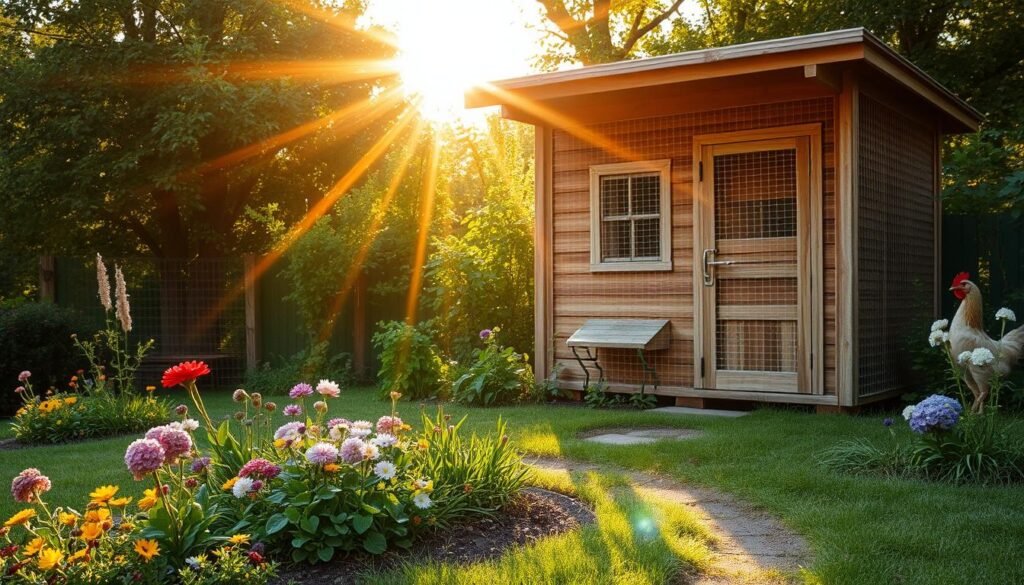
backyard chicken coop
A carefully planned outdoor chicken house is vital to the well-being and health that your chickens enjoy. It guards them against predators and offers a safe place to lay eggs.
With coop chicken coop plans you can design a coop that is suitable for your needs specifically and is a perfect match to your backyard’s design.
Key Takeaways
- Know the importance of having a well-planned homemade chicken house.
- Learn to pick the most appropriate chicken coop design in your garden.
- Learn the advantages of an back yard chicken cage.
- Learn about how to create an environment that is safe and secure to keep your poultry.
- Learn how to construct an coop that will complement the aesthetics of your garden.
Why Build Your Own Chicken Coop
Making the chicken house of your dreams could be an enjoyable experience with numerous advantages when compared to purchasing a pre-built coop. When you embark part in the DIY project, you’ll reduce costs, personalize the coop to meet your specific needs and make sure it’s constructed to last.
The advantages of DIY in comparison to. Coops that are pre-made Coops
One of the major benefits of constructing your chicken coop on your own is the chance to stay clear of the limitations of pre-made chicken coops. The coops that are pre-made usually come with standard sizes and designs that may not meet your particular requirements or the design that you have in your yard. Contrarily an DIY coop lets you modify the design, size and other features to fit your family and your backyard.
Furthermore, Chicken Coop Plans make it easy to design DIY coops that can be constructed using robust materials and equipped with features that increase the safety and health of your chickens. This includes adequate ventilation and protection against predators.
Cost Savings and Customization Options
Making the chicken house of your dreams may bring about significant costs savings. If you source the materials on your own and building the chicken coop, you’ll be able to stay clear of the markups associated with pre-built chicken coops. Additionally, you can select items that are in line with your budget and personal preferences which will result in a more efficient and cost-effective option.
The possibility to personalize your coop is a important benefit. It is possible to design your coop to meet your individual requirements whether it’s including more nesting boxes, adding an outdoor run, or making sure that your coop is simple to clean.
Essential Planning Considerations
To ensure that your chicken coop will meet your needs You must first consider the most important planning concerns. A well-planned chicken coop is vital to ensure the safety and health of your chickens.
Determining the Right Size for Your Flock
Your chicken’s coop’s size is contingent on the amount of chickens you intend to keep. It’s important to have enough space for your chickens to be at ease.
Space Requirements Per Chicken
A good rule of thumb is to have at minimum 3- 4 square feet of space per chicken in your coop. This will allow for easy moving and lessens stress in the flock.
Future Expansion Considerations
Think about your plans for the an expansion in the future. If you are planning to add more chickens to your coop, design your coop in a way that it can be expandable. This planning will save time and money in the long run.
Choosing the Ideal Location
The placement of your chicken coop is vital. It must be located in a well-ventilated space and secured from the strong winds and predators. Take into consideration the proximity to your home and accessibility for day-to-day maintenance.
| Location Factor | Ideal Condition |
| Sunlight | Partially shaded until full sun |
| Wind Protection | Protected from powerful winds |
| Predator Protection | Protect yourself from predators |
Climate and Weather Protection
Affricting your coop from harsh conditions of weather is crucial. Make sure the coop is built to stand up to the local climate regardless of the severity of snow, rain or intense heat.
If you take your time in evaluating these aspects by carefully considering these factors, you can construct a chicken coop that’s practical and safe for your chickens, regardless of whether you’re considering small plans for a chicken coop and large plans for a chicken coop.
Popular Chicken Coop Designs
- The layout the chicken house will dramatically affect the overall health of your chickens, as well as the effectiveness in your chicken coop farm. With a variety of designs to choose from it is possible to pick one that is best suited to your requirements and needs.
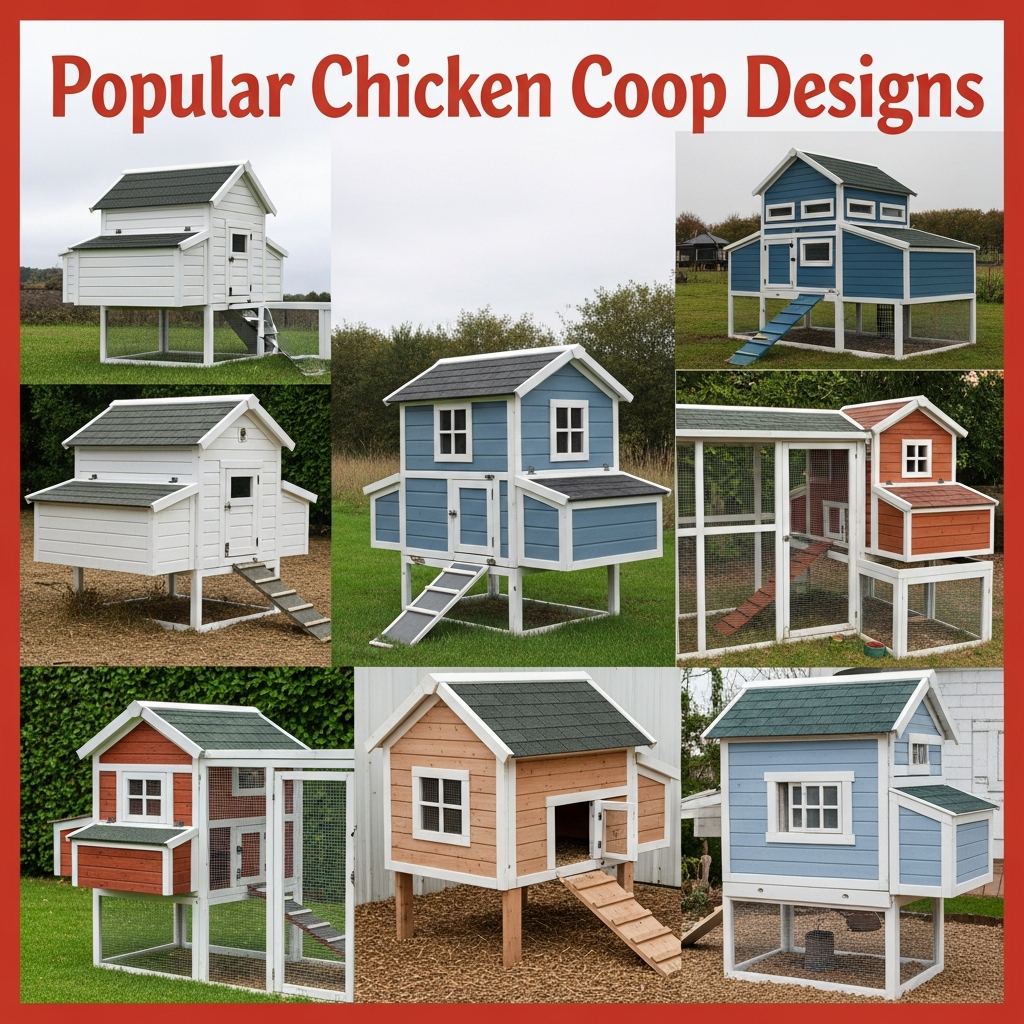
Small Chicken Coop Plans for Limited Space
- For suburban and urban areas with limited space, small Coop chicken coop plans are the ideal choice. They make the most of space and provide the best environment for your chickens. that your chickens can enjoy.
Urban and Suburban Options
- Chicken coops that are suburban or urban designs usually contain horizontal space and small footprints. These coops are designed so as to be effective and are placed in small backyards or rooftops.
Space-Saving Features
- A few of the key characteristics of coops that are space-saving are nesting boxes which can also be used as storage and retractable doors as well as coops that can be easily moved and modified.
Large Coop Chicken Coop Plans for Bigger Flocks
- When you’re cooping a bigger flock, you’ll require an coop that can hold all of your chickens comfortably. Large coops for chickens provide more room for your chickens to run around and include other amenities such as larger nesting boxes, and greater ventilation systems.
Mobile Chicken Tractor Designs
- Mobile chicken tractors are an excellent alternative for those looking to provide their chickens with various places to graze in. They are designed to be moved around your backyard, providing fresh pasture for your chickens as well as fertilizing your soil.
- When selecting the chicken coop design be aware of factors like your conditions as well as what size your chicken flock is and the space you have available. If you choose the best style, you can guarantee the health and well-being that your chickens enjoy.
Materials and Tools Needed
- Before you begin building the diy chicken coop it is crucial to gather all the required items and tools. This will help ensure the construction process is smooth and an extremely secure and sturdy chicken coop.
Essential Building Materials List
- The materials required to construct the construction of your backyard chicken cage will be contingent on the design and dimensions you select. There are however some typical materials that are used in the majority of chicken coops.
Lumber and Hardware
- Lumber is a crucial element, with 2x4s for the frame and 1x6s, or 1x8s for walls and flooring. Also, you’ll need hardware like nails, screws and hinges for the assembly of the co-op.
Roofing and Insulation
- In terms of roofing for your roof, you can opt for corrugated or asphalt shingles in accordance with your preference and budget. The insulation is also essential for regulating the temperature in your coop and ensure that your chickens are at ease.
Required Tools and Equipment
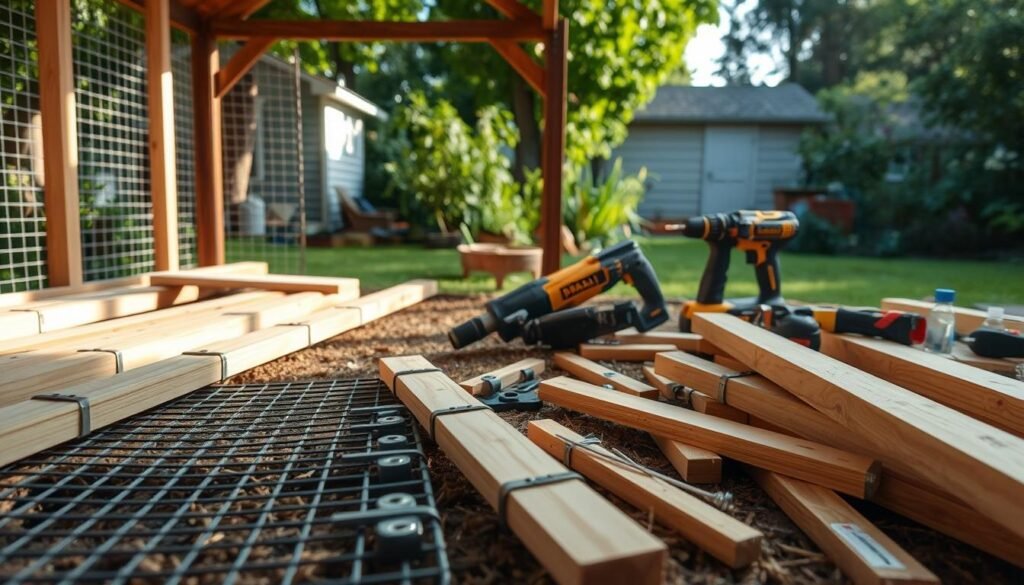
- The equipment needed to construct the backyard chicken enclosure include circular saws, drill and tape measure, hammer and a level. The right tools at to aid in making the process much more efficient and assist you create stunning outcomes.
Step-by-Step Coop Chicken Coop Plans
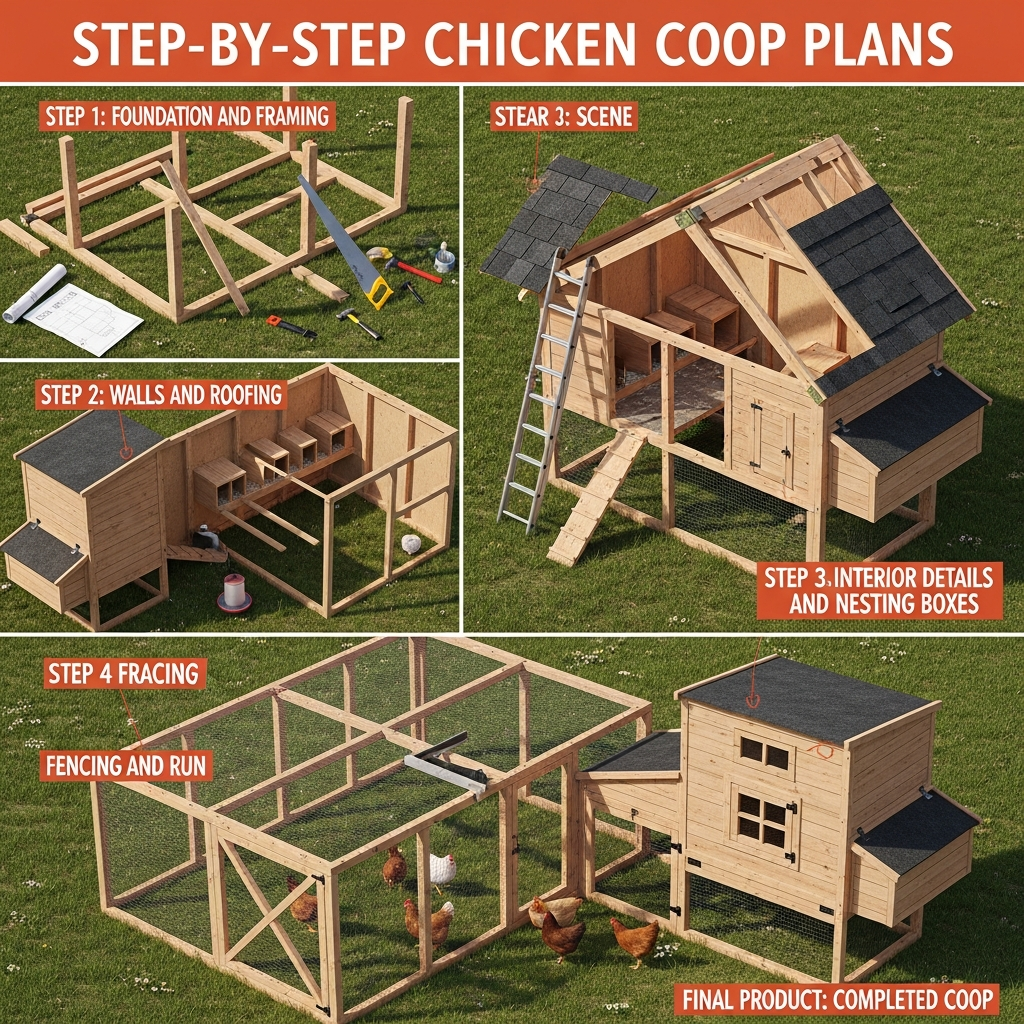
- With simple plans for a chicken coop you can construct the coop that meets your requirements. The construction of a chicken coop can be a rewarding as well as rewarding diy project. This step-by-step guide will assist you in starting.
Building the Foundation and Frame
- The first step to build an coop for your poultry is build the frame and foundation. Choose a level spot and put down an underlying plate to ensure stability. Make use of strong materials such as pressure-treated wood to construct the frame to withstand different conditions.
- Be sure that the frame is strong and able to support the load of the coop as well as chickens. A sturdy frame is essential to the structure overall.
Constructing Walls and Roof
- When the frame is set installed, you can begin building for the wall and roofing. Utilize insulation sheets and the plywood for walls to shield them against elements. For the roof, pick an option that is water-proof and durable, like asphalt shingles.
- Check that the roof and walls are secured to the frame in order to avoid any leaks or damage.
Installing Doors and Windows
- Then, put in windows and doors to allow access and ventilation into the chicken coop. Use a hardware cloth to protect windows and doors to shield against predators. Make sure the doors are secured and locked to protect your chickens.
- Proper ventilation is vital to creating a healthy atmosphere inside the co-op. Install windows that can be shut and opened when needed.
Essential Coop Features to Include
To ensure your chickens are well-fed and secure it is crucial to include particular features in the design of your chicken coop. A well-designed coop not just guards the chickens against predators, but will also provide them with the best environment for them.
Nesting Boxes and Roosts
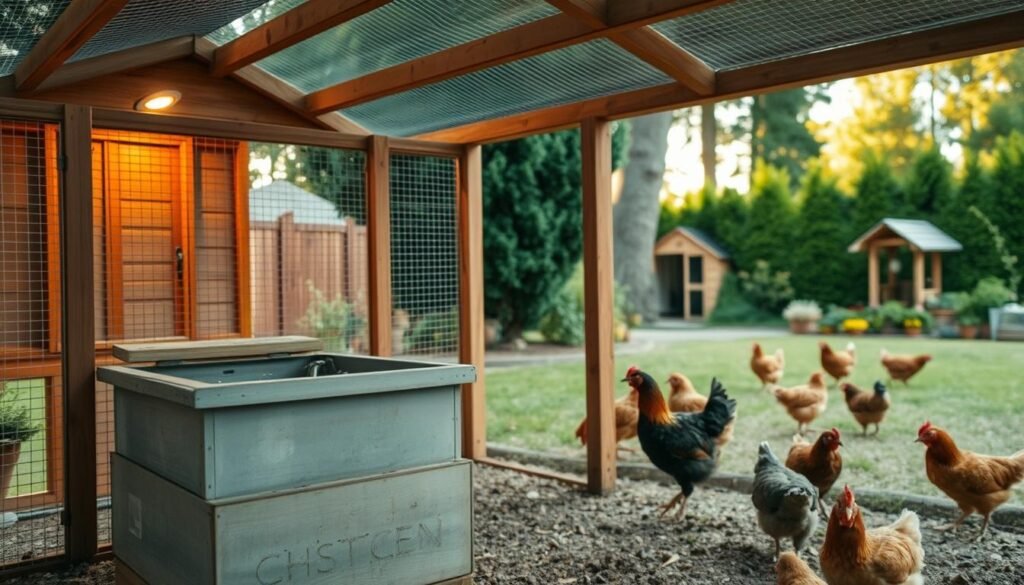
- Nesting boxes are an essential aspect of any chicken coop. They offer an enviable and safe area for chickens to lay eggs. It is recommended to have a nesting box for every 3-4 chickens. Roosts are essential because they provide chickens with a place to relax and feel safe. Be sure the roosts you choose to use are sturdy and placed above the nesting boxes to entice hens to rest at night.EditFull screen
Ventilation Systems
- Proper ventilation is crucial to creating a healthy and comfortable environment in the coop. The proper airflow assists in removing ammonia and moisture out of the droppings of chickens and reduces the chance of respiratory ailments. The installation of vents or windows that can be shut and opened depending on the need can aid in achieving an adequate airflow.
Expert Chicken Keeper : “Good ventilation is key to keeping your chickens healthy. Without it, the coop can become a breeding ground for disease.”
Predator-Proofing Your Coop
- Predator-proofing is an essential aspect of the chicken coop design. To safeguard your chickens from predators like foxes, the raccoons and hawks, make use of strong materials such as the hardware cloth, instead of wire. Make sure your coop’s doors are secure and you may want to add locks to the door of your coop.
| Feature | Importance | Tips for Implementation |
| Nesting Boxes | High | A box for 3-4 hens. It is easy to clean |
| Roosts | High | Sturdy, placed over nesting boxes |
| Ventilation Systems | High | Vents or windows to allow airflow control |
| Predator-Proofing | Critical | Utilize a cloth for hardware, and make sure that the openings are secure. |
Building the Chicken Run Coop Plans
Chicken runs are an essential element in a chicken house. It is giving a secure space for the chickens to play and exercise in the open air. A properly designed chicken run is vital for the well-being and health of your chickens.
Sizing and Placement Considerations
- When you are planning your run for chickens, you need to take into consideration the size and layout. The run should be big enough to hold your flock in a comfortable manner, with the minimum being 2 to 4 square feet per chicken. The place of placement should be an area that is well-drained, and preferably in the shade of a shade structure or provision to shield your chickens from elements.
Fencing and Protection Options
- Fencing is an essential part to the chicken run because it shields poultry from dangers. Chicken wire or hardware cloth with openings that are less than 1 inch is suggested. The fencing must be at minimum 6 feet high to deter flying predators. By burying the fencing material 12 inches beneath the ground will prevent predators from burrowing.
Integration of Run into Coop Design
- The chicken run should be integrated into the design of the coop is crucial to ensure a seamless and efficient backyard chicken keeping experience. The run should be connected to the coop, providing the chickens easy access. You may want to consider a covered run or a roof to safeguard your chickens from predators in the air.
| Feature | Description | Benefit |
| Sizing | 4 square feet for each chicken | A comfortable space for chickens |
| Fencing Material | Chicken wire, or hardware cloth | Protection against predators |
| Placement | A well-drained, shaded area | A healthy and safe environment for chickens |
Helpful Resources
- For more inspiration and chicken-keeping tips, visit BackyardChickens.com, one of the best resources for poultry care.
- For more Chicken Coop Plans, visit our Category page.
Conclusion
The creation of a DIY chicken coop Plans is an enjoyable project that can bring many advantages, such as cost savings and options for customization. If you follow these steps chicken coop design as laid out in this guide, anyone can create a safe as well-groomed environment for the animals.
The secret to a successful DIY chicken coop is meticulous planning and implementation. It is about determining the best amount of space for your family, selecting the best site, and including crucial features such as Nesting boxes, nesting boxes as well as ventilation and nesting boxes.
By following the suggestions and ideas included in this article, anyone are able to begin their DIY chicken coop building project. If you’re an experienced builder or are just beginning building an coop for chickens is an enjoyable and rewarding project that will provide you with many years of enjoyment as well as fresh eggs.
Ready to start? Download your Coop Chicken Coop Plans Guide from SketEasyCoops today and build the coop your chickens deserve!